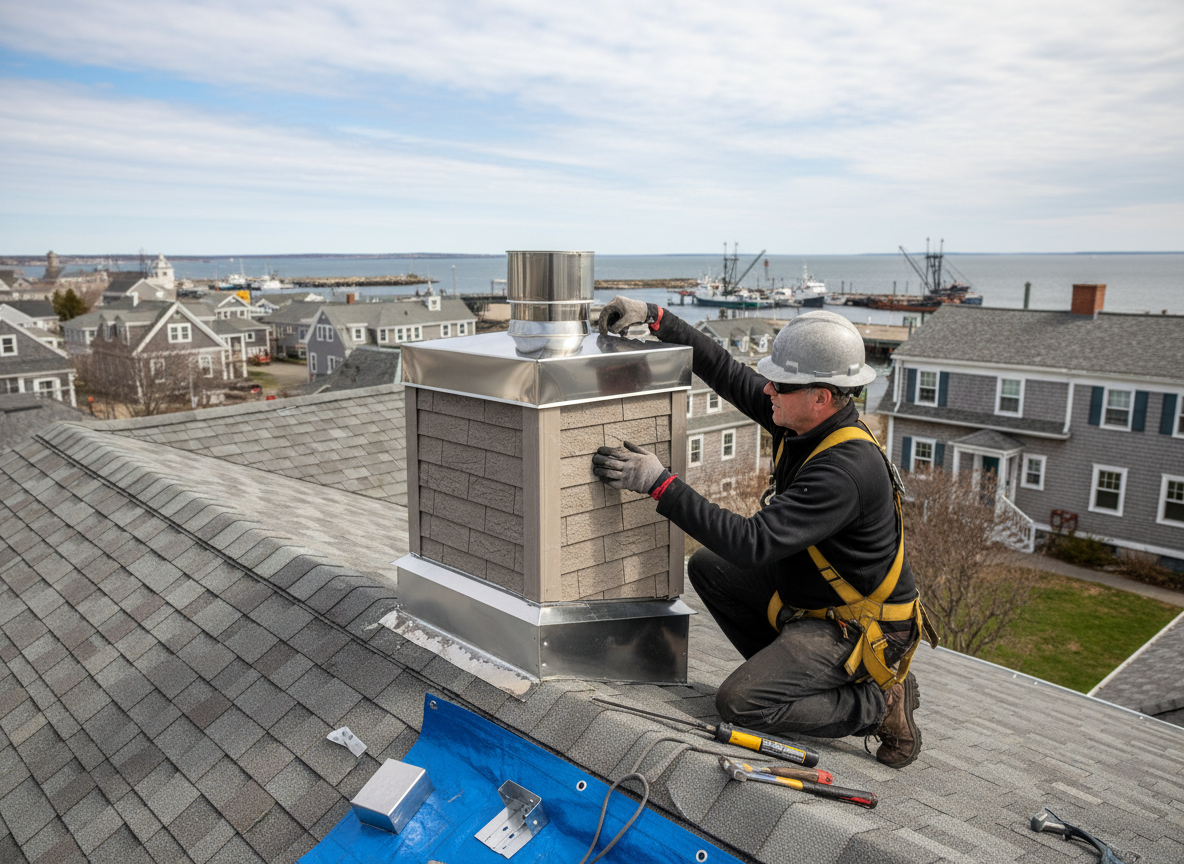
Prefabricated chimneys in Gloucester City homes from the 1960s through 1980s often show wear at the joints and flue connections due to repeated freeze-thaw cycles near the Delaware River. These factory-built units require different repair approaches than masonry stacks, especially when the outer shell has shifted from soil settling common along the riverfront neighborhoods. Technicians inspect the chase, liner, and cap assembly for corrosion points that allow water intrusion into the attic space.
Edge cases appear when homeowners add gas inserts to older prefab units without upgrading the liner, creating clearance problems that violate current Camden County venting standards. Repair work here frequently involves replacing damaged sections of the stainless steel flue or resealing the roof flashing where wind-driven rain from coastal storms accelerates deterioration. Skipping these steps leads to repeated calls during winter when creosote buildup combines with moisture.
Code notes for Gloucester area work emphasize proper termination height above the roofline and correct clearances to combustible framing found in many split-level homes along Cumberland Street and nearby blocks. Materials must match the original manufacturer specs to maintain the UL listing; mixing generic liners often fails inspection. Homeowners should expect a full disassembly of the exterior shroud during diagnosis to check internal supports that rust from condensation in humid summers.
Technician insight
In Gloucester the thing that catches most people out with prefabricated chimney repair is the hidden rust on the internal supports inside the chase; older homes along the river get constant humidity that rots the brackets long before the outer shell shows cracks, so a quick top-down look misses the real problem.
Gloucester City Prefab Liner Replacement
Homeowner in Gloucester City noticed water stains on the second-floor ceiling after a heavy rain. Inspection revealed a separated seam in the prefabricated flue allowing runoff to enter the chase. Crew replaced the damaged liner section, resealed the roof flashing, and restored proper draft. No further leaks occurred through the next winter season.
How it works
- 1
Initial Inspection
Technician arrives at the Gloucester City address and examines the prefabricated unit from roof to basement, checking for separation at seams and liner condition.
- 2
Diagnosis and Quote
Findings are explained on site with photos, followed by an upfront written quote covering parts and labor for the specific repair.
- 3
Repair Execution
Damaged sections are removed and replaced using manufacturer-matched components, with new seals applied at all joints and flashing points.
- 4
Final Testing
Unit is reassembled, smoke tested, and checked for proper draft before the homeowner receives a written summary of work performed.
Pricing
Upfront quotes provided after on-site inspection; final cost depends on extent of liner or shell damage found.